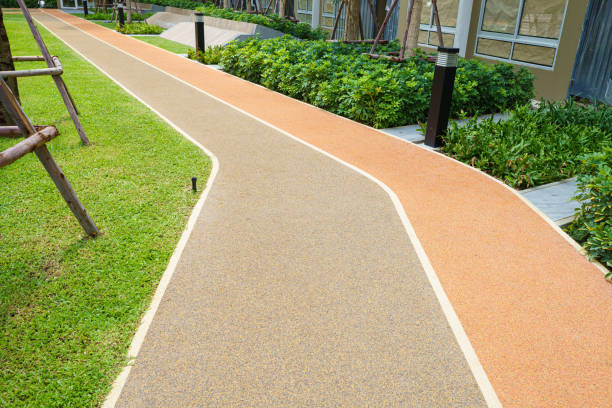
When planning a durable driveway, the question of why proper asphalt compaction is essential for long-lasting driveways arises frequently. The longevity and resilience of an asphalt driveway depend heavily on the compaction process during installation. Proper compaction ensures the structural integrity of the driveway, preventing premature damage and costly repairs.
Driveways endure constant pressure from vehicles, weather changes, and daily wear. Without adequate compaction, the asphalt surface remains vulnerable to cracking, deformation, and water infiltration. This article outlines a practical action plan and blueprint to achieve optimal asphalt compaction for driveways that stand the test of time.
Establishing a Solid Base: The First Step in Asphalt Compaction
Preparing the Subgrade for Stability
The foundation of any long-lasting asphalt driveway begins with a well-prepared subgrade. This involves removing unsuitable soil and ensuring the ground beneath is firm and stable. A compacted subgrade minimises settlement over time, providing a reliable platform for subsequent layers.
Stabilising the soil may require adding granular materials or employing chemical stabilisers, depending on the site's specific conditions. Ignoring this crucial step often leads to uneven surfaces and cracks, which compromise the driveway's durability.
Constructing the Roadbase Layer
After the subgrade is prepared, the roadbase layer is laid using crushed aggregates to distribute loads effectively. The compaction of this layer is vital to eliminate voids and increase density, enhancing the pavement’s load-bearing capacity. Proper aggregate grading and moisture content control improve compaction results.
Ensuring the correct thickness here is essential; installers often consult guidelines on how deep should tarmac be on a driveway to achieve the best structural support. Skimping on roadbase thickness can severely shorten a driveway’s lifespan.
Applying the Binder Course
The binder course acts as an intermediate layer that binds the roadbase to the surface course. Proper compaction of this bituminous layer prevents delamination and provides additional structural strength. It also improves resistance to deformation under heavy traffic loads.
Compaction equipment and techniques must suit the binder's temperature and viscosity to ensure effective bonding and longevity of the pavement structure.
Techniques and Tools for Effective Asphalt Compaction
Choosing the Right Compaction Equipment
Successful asphalt compaction depends on selecting suitable machinery such as vibratory rollers, pneumatic tyred rollers, or plate compactors. Each equipment type offers specific benefits based on the driveway size and asphalt mix properties. Operators must adapt rolling patterns and speeds for uniform compaction.
Using the wrong equipment or improper handling can lead to uneven density and surface defects. Skilled operators combine these tools to optimise compaction throughout the layer depth.
Monitoring Temperature and Timing During Compaction
Asphalt must be compacted at the right temperature window to ensure particles bind properly. If the mix cools excessively before compaction, it becomes rigid and difficult to compress. Conversely, overly hot asphalt may deform or lose stability under the roller’s pressure.
Contractors should monitor ambient conditions and act swiftly during installation to maintain ideal compaction temperatures, which directly influence the driveway’s durability.
Ensuring Uniform Density Across the Surface
Uniform compaction prevents weak spots that cause rutting or cracking. Achieving consistent density requires overlapping roller passes and adjusting pressure as necessary. Testing methods such as nuclear density gauges or core sampling help verify compaction quality.
Regular monitoring during the compaction process enables immediate corrections, reducing the risk of future maintenance issues.
How Proper Asphalt Compaction Protects Against Common Driveway Issues
Minimising Water Penetration and Freeze-Thaw Damage
Proper compaction closes air voids, limiting water infiltration into the pavement. This barrier reduces the potential for freeze-thaw cycles to cause cracking and potholes. Without adequate compaction, water seeps through pores, weakening the base and accelerating deterioration. For those exploring practical options, utilizing trusted how deep should tarmac be on a driveway specialists provides reliable support.
Effective drainage design, combined with compaction, provides a robust defence against moisture-related damage.
Preventing Surface Deformation and Rutting
Well-compacted asphalt withstands the repetitive stress from vehicles without deforming. Low-density areas tend to compact further under traffic, resulting in ruts and depressions that compromise safety and aesthetics. Consistent compaction distributes loads evenly, maintaining a smooth and stable surface.
Maintaining the recommended layer thickness and adhering to compaction standards ensures the driveway resists permanent deformation over time.

Enhancing Resistance to Cracking and Oxidation
Asphalt exposed to air and sunlight undergoes oxidation, making it brittle and prone to cracks. Proper compaction reduces surface voids, slowing oxidation effects by limiting air exposure. The resulting dense surface resists cracking and extends the pavement’s service life.
Combined with timely maintenance, well-compacted asphalt reduces the incidence of structural failures.
Planning for Drainage and Environmental Compliance
Integrating Drainage Solutions into Driveway Design
Effective drainage prevents water accumulation that undermines asphalt layers and causes structural failure. Installing proper slopes and drainage channels ensures surface water runoff is directed away from the driveway. This reduces hydrostatic pressure on the pavement and sub-base.
Consulting flexible pavement design principles helps incorporate drainage without compromising the driveway’s strength or appearance.
Adhering to Sustainable Surface Drainage Regulations
Environmental guidelines increasingly require permeable surfaces or sustainable drainage systems to manage rainwater. Asphalt compaction must be balanced with permeability considerations to comply with local regulations. Combining well-compacted asphalt with permeable paving systems or adjacent drainage installations minimises environmental impact.
Planning permissions often demand such compliance, making it essential to integrate drainage and compaction strategies early in the project.
Maintaining Driveway Integrity with Drainage Compliance Guidance
Long-term driveway performance depends on managing surface water effectively while ensuring structural stability. Drainage compliance guidance emphasises the importance of sub-base preparation and surface water infiltration control. Properly compacted asphalt supports these requirements by providing a durable yet adaptable surface.
Adhering to these standards reduces maintenance costs and enhances property value over time.
Executing Your Next Steps in Achieving Durable Asphalt Driveways
Knowing why is proper asphalt compaction essential for long-lasting driveways is only the first step; applying this knowledge in practice is crucial. Begin by thoroughly assessing your site’s subgrade and selecting appropriate materials to build a strong foundation. Engage qualified professionals who understand the nuances of compaction techniques and temperature control during installation.
Pay attention to recommended thickness levels and drainage planning, consulting resources on how to reseal a resin driveway and flexible pavement design to align with best practices. Regular maintenance and prompt repairs further extend your driveway’s lifespan, maximising your investment.
By following a detailed action plan and blueprint focused on compaction quality, drainage, and material specifications, you can ensure your asphalt driveway remains durable and resilient for years to come.
Total Surfacing Solutions
Cooks Yard, Unit 1 Warehams Lane Hertford SG14 1LA United Kingdom
Mobile: +44 7570 098797
Map: https://maps.app.goo.gl/cj8x6JGQsrGzzSCaA

No hay comentarios:
Publicar un comentario